
When it comes to selecting the perfect indoor basketball hoop, the options can be overwhelming. Whether you’re setting up a home gym, a community center, or a professional training facility, choosing the right equipment is crucial for performance, safety, and durability. This comprehensive guide will walk you through everything you need to know about indoor basketball hoops, from understanding different types to evaluating key features and finding reputable suppliers.
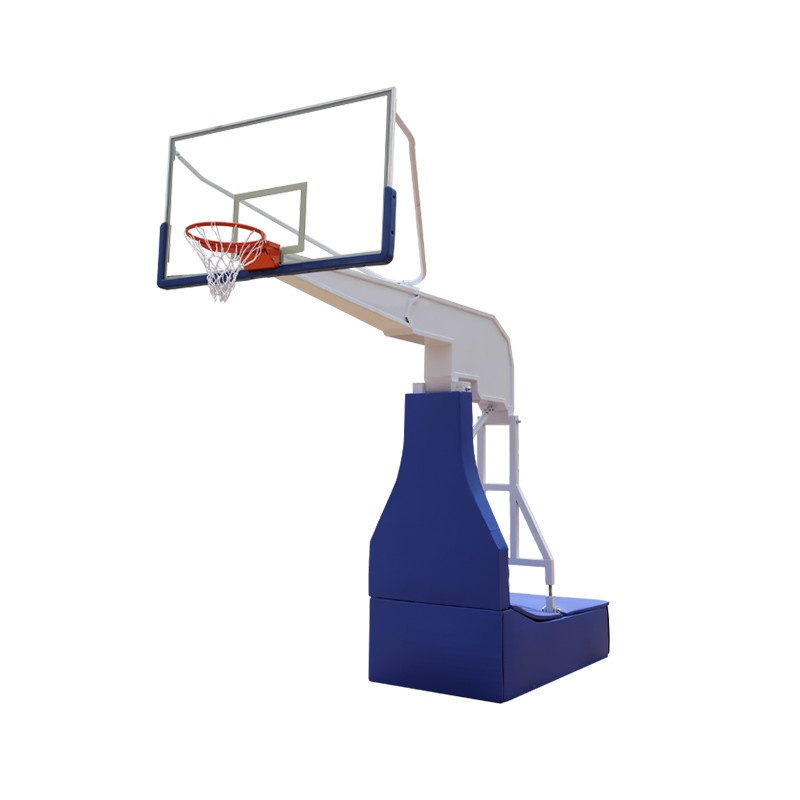
Understanding Different Types of Indoor Basketball Hoops
Indoor basketball hoops come in various designs to suit different spaces and usage requirements. The most common types include wall-mounted, ceiling-mounted, and freestanding models. Each type has its advantages and considerations:
Wall-Mounted Basketball Hoops
Wall-mounted systems are ideal for facilities with limited floor space. They attach directly to the wall, providing excellent stability while saving valuable floor area. These hoops are popular in gyms, schools, and recreational centers where space optimization is essential. The installation requires proper wall reinforcement to handle the hoop’s weight and the force of dunks.
Ceiling-Mounted Basketball Hoops
For facilities with high ceilings, ceiling-mounted hoops offer a space-saving solution that doesn’t compromise on performance. These systems suspend from the ceiling, allowing for adjustable height settings to accommodate players of different ages and skill levels. They’re particularly useful in multi-purpose halls where the basketball court may need to be cleared for other activities.
Freestanding Basketball Hoops
Freestanding models provide the most flexibility as they don’t require permanent installation. These portable hoops come with heavy bases that can be filled with water or sand for stability. While they may not offer the same level of rigidity as wall or ceiling-mounted systems, they’re excellent for temporary setups or spaces where permanent installation isn’t possible.
Key Features to Consider When Choosing an Indoor Basketball Hoop
Selecting the right indoor basketball hoop involves evaluating several critical features that impact performance, safety, and user experience. Here are the most important factors to consider:
Backboard Material and Size
The backboard material significantly affects rebound quality and durability. Common materials include tempered glass, acrylic, and polycarbonate. Tempered glass offers the best rebound and is used in professional settings, while acrylic and polycarbonate are more affordable alternatives suitable for recreational use. Backboard sizes typically range from 44 to 72 inches, with larger sizes providing a more authentic playing experience.
Rim Type
Indoor basketball hoops come with different rim types, including standard rims, breakaway rims, and heavy-duty rims. Breakaway rims are designed to flex under pressure, reducing stress on the backboard and supporting structure during dunks. This feature is essential for facilities that will see aggressive play or professional training.
Height Adjustment Mechanism
For versatility, look for hoops with adjustable height settings. This feature allows you to lower the hoop for younger players or raise it for adult games. The adjustment mechanism should be easy to operate and stable once set. Some advanced models offer electric height adjustment for effortless changes during practice sessions.
Support Structure
The support structure determines the hoop’s stability and durability. Wall and ceiling-mounted systems rely on robust brackets and mounting hardware, while freestanding models need sturdy poles and weighted bases. For competitive use, prioritize hoops with reinforced steel frames that can withstand intense play without wobbling.
Installation and Maintenance
Consider the ease of installation and ongoing maintenance when selecting an indoor basketball hoop. Wall and ceiling-mounted systems typically require professional installation to ensure safety and compliance with building codes. Freestanding models are easier to set up but may need periodic adjustments to maintain stability. Regular maintenance includes checking for loose bolts, inspecting the rim for wear, and cleaning the backboard.
Top Indoor Basketball Hoop Brands and Suppliers
Choosing a reputable supplier is as important as selecting the right hoop. Here are some top brands known for their quality indoor basketball hoops:
- Hebei Junchi Sports Equipment Co., Ltd.: Based in Cangzhou, Hebei Province, this company specializes in manufacturing high-quality sports equipment, including electric hydraulic basketball hoops for competition. Their products are renowned for durability and performance, making them a preferred choice for professional facilities.
- Spalding: A well-known name in basketball, Spalding offers a range of indoor hoops suitable for various settings, from home gyms to professional arenas. Their products feature advanced technologies like Arena View backboards and breakaway rims.
- Lifetime: Lifetime is known for its freestanding basketball hoops with adjustable height settings. Their products are popular among home users and community centers for their affordability and ease of use.
- Goalrilla: Specializing in heavy-duty basketball hoops, Goalrilla offers wall-mounted and freestanding models designed for intense play. Their products feature tempered glass backboards and professional-grade rims.
When contacting suppliers, ask about warranty coverage, installation services, and after-sales support. A reliable supplier should provide detailed product information, customer reviews, and assistance with selecting the right hoop for your needs.
| Feature | Wall-Mounted | Ceiling-Mounted | Freestanding |
|---|---|---|---|
| Space Requirement | Low (wall space) | High ceilings required | Flexible (floor space) |
| Stability | Excellent | Very Good | Good (depends on base) |
| Installation | Professional required | Professional required | DIY possible |
| Portability | Not portable | Not portable | Portable |
FAQ
What is the best material for an indoor basketball hoop backboard?
Tempered glass is considered the best material for indoor basketball hoop backboards due to its superior rebound quality and durability. It’s the standard material used in professional arenas and high-end facilities. Acrylic is a more affordable alternative that still offers good performance, while polycarbonate is the most budget-friendly option but provides the least authentic rebound.
How often should I inspect and maintain my indoor basketball hoop?
Regular maintenance is essential to ensure safety and longevity. Inspect your hoop at least once a month for loose bolts, worn rims, or damaged backboards. Check the stability of freestanding models and ensure weighted bases are properly filled. Clean the backboard regularly to maintain visibility and prevent scratches. For wall and ceiling-mounted systems, verify that mounting brackets remain secure.
Can I install an indoor basketball hoop myself, or do I need professional help?
The installation complexity depends on the hoop type. Freestanding models are designed for DIY installation and come with detailed instructions. Wall and ceiling-mounted systems, especially those for competitive use, typically require professional installation to ensure proper mounting and safety compliance. Hiring experienced installers is recommended to avoid structural damage and ensure optimal performance.
What height should I set my indoor basketball hoop for different age groups?
The standard regulation height for basketball hoops is 10 feet (3.05 meters). However, adjustable hoops allow you to lower the rim for younger players. For children aged 6-8, set the hoop to 7-8 feet. Players aged 9-11 can use an 8-9 foot height, while those aged 12 and above can play at the regulation 10 feet. Adjustable hoops provide flexibility for mixed-age groups and progressive skill development.
How do I choose between an electric hydraulic and a manual height-adjustable basketball hoop?
Electric hydraulic basketball hoops offer effortless height adjustment with the push of a button, making them ideal for facilities that frequently change settings for different age groups or activities. They’re more expensive but provide convenience and precision. Manual height-adjustable hoops are more affordable and suitable for home use or settings where adjustments are infrequent. Consider your budget and usage frequency when deciding between the two.
Summary
Choosing the right indoor basketball hoop involves evaluating your space, usage requirements, and budget. Wall-mounted systems are excellent for space-saving and stability, while ceiling-mounted models offer flexibility in multi-purpose halls. Freestanding hoops provide portability for temporary setups. Key features to prioritize include backboard material, rim type, height adjustment, and support structure durability. Reputable suppliers like Hebei Junchi Sports Equipment Co., Ltd. offer high-quality products designed for competitive and recreational use. Regular maintenance and proper installation are crucial for safety and longevity. By considering these factors, you can select an indoor basketball hoop that enhances your facility’s functionality and provides years of reliable performance.