
When it comes to selecting path fitness equipment for your community, school, or fitness center, the choices can be overwhelming. With so many manufacturers and products available, how do you ensure you’re making the right investment? This comprehensive guide will walk you through everything you need to know about choosing high-quality path equipment that meets your specific needs.
Understanding Path Fitness Equipment Basics
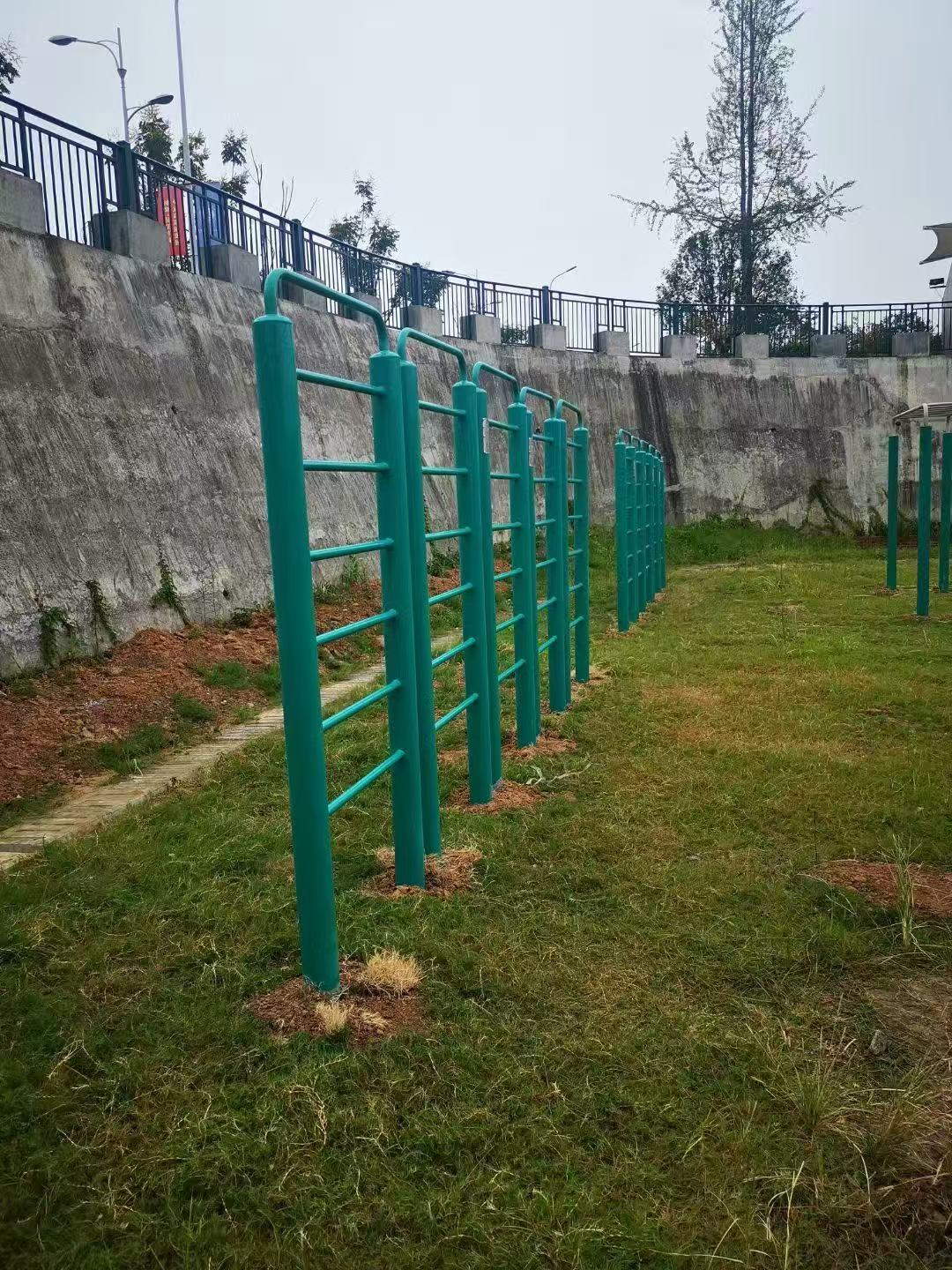
Path fitness equipment, also known as outdoor fitness equipment or trail fitness stations, consists of various exercise machines designed for public use in parks, trails, and community spaces. These typically include strength training stations, cardiovascular equipment, and flexibility-focused apparatuses.
The primary purpose of path equipment is to provide free, accessible exercise opportunities for people of all ages and fitness levels. Unlike traditional gym equipment, path gear is built to withstand outdoor elements while maintaining safety and functionality.
When selecting path equipment, it’s crucial to consider the specific needs of your user group. Will the equipment be used primarily by seniors, children, or a general population? Different age groups have varying strength, mobility, and safety requirements that should influence your selection.
Key Factors in Path Equipment Selection
Choosing the right path fitness equipment involves evaluating several critical factors that impact both immediate performance and long-term value. Let’s examine these essential considerations:
1. Quality and Durability
The most important factor when selecting path equipment is its quality and durability. Outdoor equipment faces constant exposure to weather elements, temperature fluctuations, and heavy use. Look for:
- Galvanized steel construction that resists rust and corrosion
- Powder-coated finishes that provide additional protection against the elements
- UV-resistant materials for any plastic or rubber components
- Heavy-duty bearings and moving parts designed for frequent use
Reputable manufacturers like Hebei Junchi Sports Equipment Co., Ltd. use advanced manufacturing processes and high-grade materials to ensure their products withstand the test of time and use.
2. Safety Features
Safety should always be the top priority when selecting public fitness equipment. Look for:
- Rounded edges and smooth surfaces to prevent cuts and scrapes
- Non-slip surfaces on all contact points
- Proper spacing between equipment to prevent collisions
- Clear instructional signage with diagrams for proper use
- Weight limits clearly marked on strength equipment
The company’s products, for example, undergo rigorous safety testing and comply with international safety standards to ensure user protection.
3. Equipment Variety
A well-designed path should offer a variety of equipment types to cater to different fitness needs and abilities. Consider including:
- Cardiovascular equipment like elliptical machines and stationary bikes
- Strength training stations targeting different muscle groups
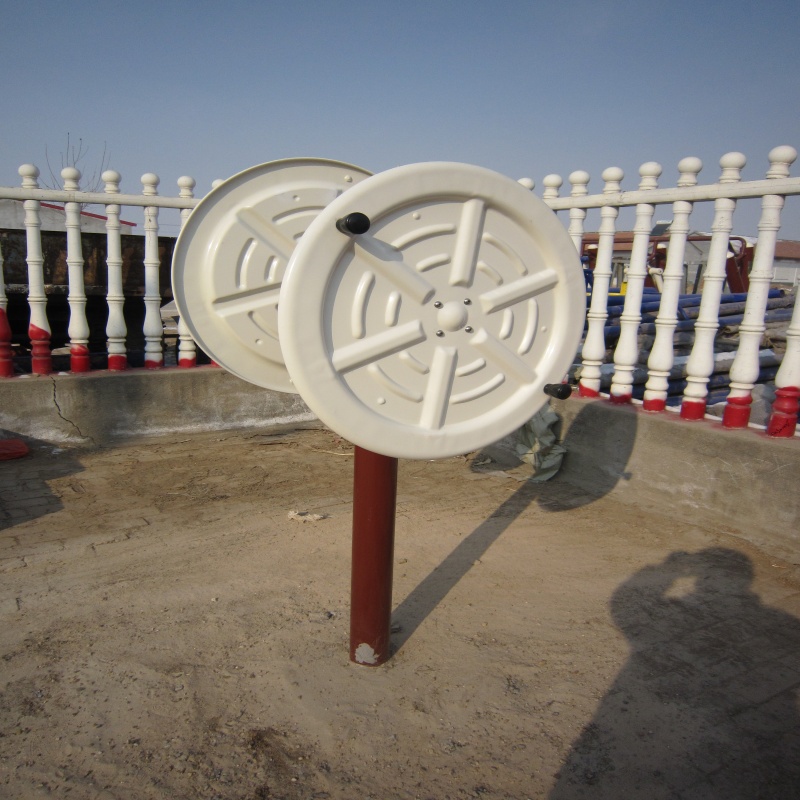
- Flexibility and balance equipment such as leg presses and twisters
- Multi-functional stations that combine several exercises
4. User-Friendly Design
The best path equipment is intuitive and easy to use for people of all fitness levels. Look for:
- Clear, easy-to-understand instructions on each piece
- Adjustable components to accommodate different user heights
- Comfortable grips and seating where applicable
- Smooth, natural range of motion for all exercises
5. Maintenance Requirements
Consider the long-term maintenance needs of the equipment you select. Look for:
- Simple designs with fewer moving parts that require less upkeep
- Easily replaceable components when wear occurs
- Manufacturers that offer maintenance guides and spare parts
- Equipment with self-lubricating bearings or other low-maintenance features
Evaluating Path Equipment Manufacturers
Choosing the right manufacturer is as important as selecting the equipment itself. A reputable supplier will offer quality products, reliable customer service, and proper warranties. Here’s what to look for:
1. Industry Experience and Reputation
Look for manufacturers with a proven track record in the industry. Hebei Junchi Sports Equipment Co., Ltd., for example, has nearly a decade of experience in producing high-quality sports equipment and has earned recognition for its products’ quality and durability.
2. Certifications and Compliance
Ensure the manufacturer’s products comply with relevant safety standards and certifications. This might include:
- ISO quality management system certifications
- National sports goods quality supervision and inspection center ratings
- Local technical supervision bureau recognition
- Consumer trust certifications from relevant authorities
3. Product Range and Customization
A manufacturer with a wide product range can better meet your specific needs. Look for companies that offer:
- A comprehensive selection of path equipment types
- Customization options for colors, branding, or specific features
- The ability to create complete path solutions rather than just individual pieces
4. After-Sales Support
Good after-sales support is crucial for long-term satisfaction. Consider:
- Warranty terms and conditions
- Availability of spare parts
- Technical support and maintenance guidance
- Installation services or assistance
5. Client References and Case Studies
Reputable manufacturers should be able to provide references or case studies from satisfied clients. Look for companies that have supplied equipment to:
- Educational institutions
- Sports bureaus and government agencies
- Military installations
- Community centers and parks
Top Path Equipment Recommendations
Based on our evaluation criteria, here are some top recommendations for path fitness equipment:
| Equipment Type | Key Features | Ideal For |
|---|---|---|
| Smart Back Trainer | Adjustable resistance, ergonomic design, digital display | Core strength and back health |
| Smart Elliptical Machine | Low-impact cardio, adjustable stride, user-friendly controls | All ages and fitness levels |
| Smart Twister | 360-degree rotation, non-slip surface, stability base | Core strength and balance |
| Smart Rowing Machine | Full-body workout, adjustable resistance, comfortable seat | Cardiovascular and strength training |
Installation and Layout Considerations
Selecting the right equipment is only part of the equation. Proper installation and layout are crucial for creating an effective and safe path fitness area:
1. Space Planning
Ensure you have enough space between equipment pieces to prevent crowding and allow for safe movement. The general recommendation is at least 6 feet (1.8 meters) between stations.
2. Surface Preparation
Install equipment on a shock-absorbing surface like rubber tiles or engineered wood fiber to reduce impact and prevent injuries. The surface should be level and well-drained.
3. Accessibility
Design your path to be accessible to people with disabilities. This includes providing wheelchair-accessible routes and selecting some equipment that can be used from a seated position.
4. Signage and Instructions
Clearly mark each piece of equipment with instructions for proper use, including diagrams showing correct form. Include information about target muscle groups and suggested repetitions.
5. Lighting and Visibility
If your path will be used during early morning or evening hours, ensure adequate lighting is installed for safety. Position equipment to avoid glare from sunlight when possible.
Maintenance Best Practices
Proper maintenance extends the life of your path equipment and ensures user safety. Implement these best practices:
1. Regular Inspections
Conduct weekly visual inspections of all equipment, looking for signs of wear, damage, or vandalism. Check for loose bolts, cracked components, or unusual noises during operation.
2. Cleaning Protocol
Establish a regular cleaning schedule, especially for high-touch areas like handrails and seats. Use mild, non-abrasive cleaners to avoid damaging surfaces.
3. Lubrication Schedule
Follow the manufacturer’s recommendations for lubricating moving parts. Over-lubrication can attract dirt, while under-lubrication can cause premature wear.
4. Component Replacement
Keep an inventory of commonly replaced parts like bearings, bolts, and grips. Replace these components at the first sign of wear rather than waiting for complete failure.
5. User Education
Encourage proper use of equipment through signage and community programs. Educate users about weight limits, proper form, and reporting maintenance issues.
FAQ
What is the average lifespan of outdoor path fitness equipment?
With proper maintenance, high-quality path equipment can last 8-12 years or more. Factors affecting lifespan include material quality, frequency of use, climate conditions, and maintenance practices.
How often should path equipment be inspected?
We recommend conducting visual inspections at least weekly, with more thorough monthly checks. Create a maintenance log to track inspections and repairs.
Can path equipment be customized with colors or logos?
Many manufacturers offer customization options, including color choices and logo placement. This can be particularly valuable for corporate or community-branded fitness areas.
What’s the difference between path equipment and traditional gym equipment?
Path equipment is specifically designed for outdoor use, with weather-resistant materials and simpler designs for public use. Traditional gym equipment is typically for indoor use and may offer more advanced features for individual workouts.
How much space is needed for a complete path fitness area?
A basic path with 5-7 pieces of equipment typically requires about 1,500-2,000 square feet (140-185 square meters), including space for movement between stations and potential walking paths.
Summary
Choosing the right path fitness equipment requires careful consideration of quality, safety, variety, and manufacturer reputation. By focusing on durable materials, user-friendly designs, and comprehensive safety features, you can create an outdoor fitness area that serves your community for years to come.
Remember to evaluate manufacturers based on their industry experience, product range, and after-sales support. Companies like Hebei Junchi Sports Equipment Co., Ltd. offer a wide selection of high-quality path equipment designed to withstand outdoor conditions while providing safe, effective workouts for users of all ages and abilities.
Finally, proper installation, layout, and maintenance are crucial for maximizing the lifespan and safety of your path equipment. By following the guidelines outlined in this article, you can create a valuable community resource that promotes health and wellness for everyone.