
When it comes to establishing or upgrading an outdoor fitness area, selecting the right fitness trail equipment is crucial. Not only does it impact the user experience, but it also determines the durability and safety of your investment. In this comprehensive guide, we’ll explore the various types of fitness trail equipment available, highlight reliable suppliers, and provide essential tips for making informed purchasing decisions.
Understanding Fitness Trail Equipment
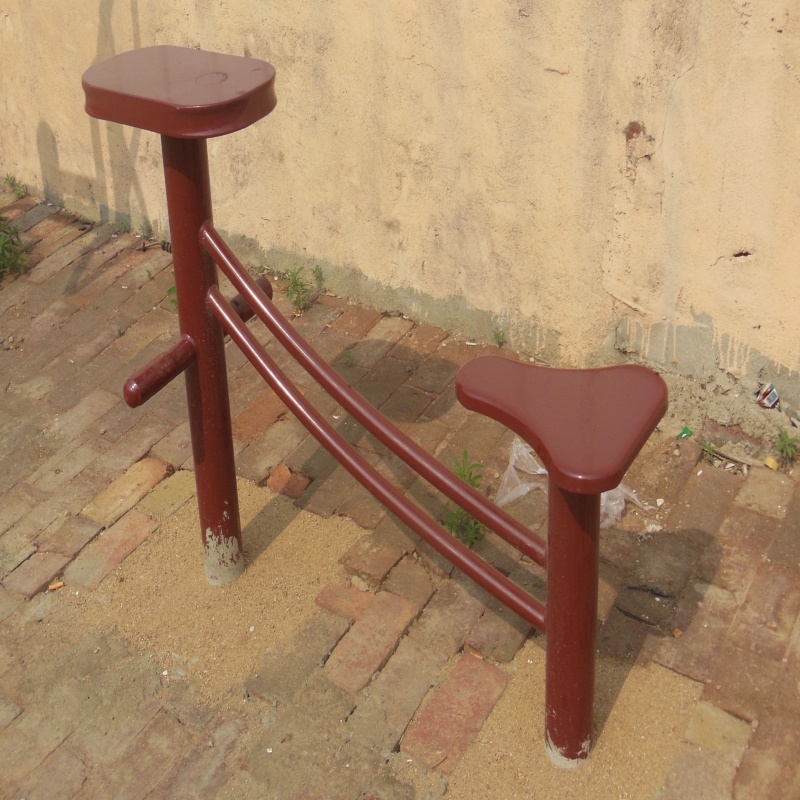
Fitness trail equipment refers to a range of outdoor exercise machines designed for public parks, community centers, schools, and other recreational spaces. These units typically focus on strength training, cardiovascular fitness, and flexibility exercises. The primary goal is to provide accessible fitness opportunities for people of all ages and abilities in an outdoor setting.
The popularity of fitness trails has surged in recent years as communities recognize the value of promoting physical activity in natural environments. Unlike traditional gyms, outdoor fitness equipment offers fresh air, vitamin D from sunlight, and a change of scenery that can make workouts more enjoyable and sustainable.
Types of Fitness Trail Equipment
The market offers a diverse array of fitness trail equipment to cater to different exercise needs and preferences. Let’s examine some of the most common categories:
Strength Training Equipment
This category includes machines that target various muscle groups through resistance-based exercises. Popular options include:
- Chest press stations
- Leg press machines
- Pull-up and dip stations
- Shoulder press units
- Abdominal crunch benches
Cardiovascular Equipment
For those looking to improve heart health and endurance, cardio-focused fitness trail equipment includes:
- Elliptical cross trainers
- Stationary bikes
- Rowing machines
- Stepper units
- Treadmills (less common in outdoor settings)
Flexibility and Balance Equipment
To enhance mobility and prevent injuries, many fitness trails incorporate:
- Balance beams
- Tai chi spinners
- Stretching stations
- Agility ladders
- Parcourse elements
Multi-functional Stations
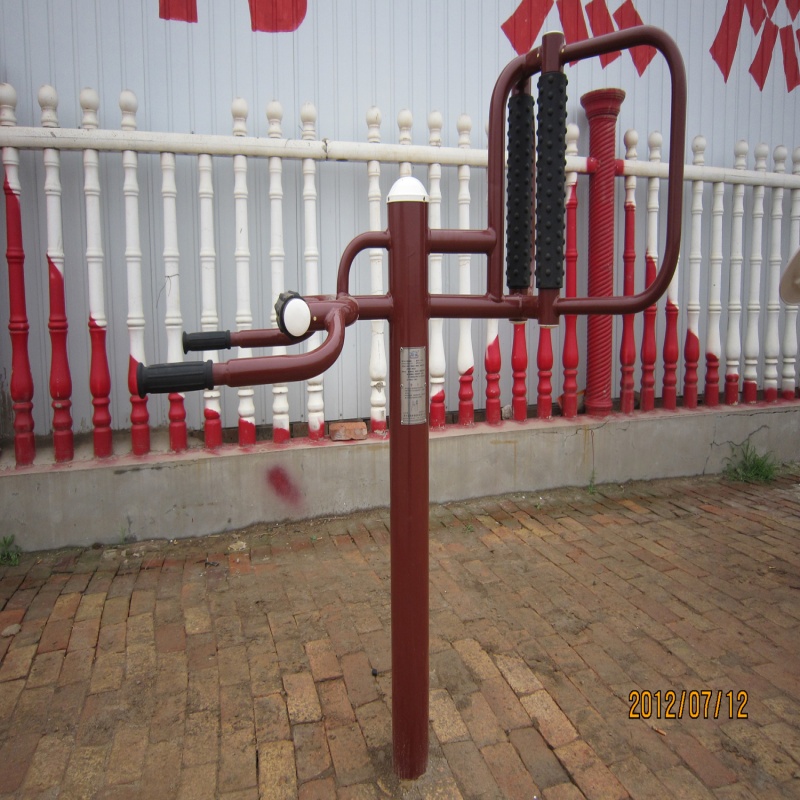
Some advanced fitness trail equipment combines multiple exercise types into single units, offering versatility in a compact footprint. These often include adjustable resistance settings to accommodate users of different strength levels.
Key Considerations When Choosing Fitness Trail Equipment
Selecting the right fitness trail equipment involves more than just picking popular items. Several critical factors should influence your decision-making process:
1. Durability and Weather Resistance
Outdoor equipment must withstand various weather conditions, including rain, snow, heat, and UV exposure. Look for materials like galvanized steel, stainless steel, or powder-coated finishes that resist corrosion and fading. The equipment should have robust construction to prevent vandalism and ensure long-term use.
2. Safety Features
Safety should be a top priority when selecting fitness trail equipment. Ensure that all moving parts have proper shielding, edges are rounded or covered, and the equipment meets relevant safety standards (such as ASTM or EN standards for outdoor fitness equipment). Anti-slip surfaces and clear instructional signage are also essential.
3. User-Friendly Design
The equipment should be intuitive to use, even for beginners. Clear instructions with diagrams demonstrating proper form can help users exercise safely and effectively. Consider the range of motion required and whether it’s appropriate for your target user group (children, seniors, etc.).
4. Maintenance Requirements
Regular maintenance is crucial for keeping fitness trail equipment safe and functional. Choose equipment with easily replaceable parts and consider the availability of spare components from the manufacturer. Some suppliers offer maintenance contracts or training for local staff.
5. Inclusivity and Accessibility
A well-designed fitness trail should accommodate users of varying abilities, including those with disabilities. Look for equipment with adjustable settings, multiple difficulty levels, and features that support wheelchair access where possible.
6. Space and Layout Considerations
Before purchasing, assess your available space and plan the layout carefully. Ensure there’s enough room between stations for safe movement and that the flow of the trail makes sense for users. Consider factors like sunlight exposure, proximity to rest areas, and visibility for supervision if needed.
Reliable Fitness Trail Equipment Suppliers
Choosing a reputable supplier is as important as selecting the right equipment. Here are some key indicators of a reliable fitness trail equipment manufacturer:
1. Industry Experience and Reputation
Look for companies with a proven track record in the fitness equipment industry. Hebei Junchi Sports Equipment Co., Ltd., for example, has nearly a decade of experience in researching, designing, producing, and selling sports equipment. Their products have been recognized at national sports expos and by quality inspection centers.
2. Product Certifications
Reliable suppliers should have their products certified by recognized authorities. This might include national sports用品 supervision and inspection centers or provincial technical supervision bureaus. Certifications indicate that the equipment meets specific quality and safety standards.
3. Customer Testimonials and Case Studies
Positive feedback from previous clients, especially those with similar needs to yours, can provide valuable insights into a supplier’s reliability and product quality. Look for testimonials from universities, sports bureaus, military installations, and cultural stations – all of which have praised Hebei Junchi’s products.
4. After-Sales Support
A good supplier doesn’t just sell equipment; they offer ongoing support. This might include installation services, maintenance training, warranty coverage, and readily available spare parts. Prompt customer service is crucial for addressing any issues that may arise.
5. Customization Options
While standard equipment may suffice for many applications, the ability to customize can be advantageous. Some suppliers offer options for branding, color schemes, or even bespoke designs to match specific site requirements or thematic elements.
Comparing Fitness Trail Equipment Options
To help you make an informed decision, let’s compare some key aspects of popular fitness trail equipment:
| Equipment Type | Primary Benefit | Space Required | Maintenance Level |
|---|---|---|---|
| Elliptical Cross Trainer | Full-body cardio, low impact | Medium | Low to Medium |
| Chest Press Station | Upper body strength | Small to Medium | Low |
| Leg Press Machine | Lower body strength | Medium to Large | Low |
| Balance Beam | Balance, coordination | Small | Very Low |
| Multi-Station | Versatile, full-body workout | Large | Medium |
Installation and Setup of Fitness Trail Equipment
Proper installation is critical for the safety and longevity of your fitness trail equipment. While some suppliers offer installation services, others may provide guidelines for local teams to follow. Key considerations include:
1. Surface Preparation
The ground where equipment will be installed should be level, stable, and able to support the weight of users and the equipment itself. Many outdoor fitness stations require concrete footings for stability.
2. Spacing Between Units
Ensure there’s adequate space between pieces of equipment for safe movement. The recommended distance varies but typically ranges from 1.5 to 2 meters (5 to 6.5 feet) between stations.
3. Safety Surfacing
Consider adding shock-absorbing materials like rubber mulch or tiles under and around equipment, especially for stations that involve jumping or potential falls.
4. Signage and Instructions
Clear, weather-resistant signage should accompany each piece of equipment, demonstrating proper use and listing any warnings or contraindications.
5. Accessibility Features
If aiming for inclusivity, ensure that pathways to equipment are wide enough for wheelchairs and that any necessary adjustments can be made to accommodate different users.
FAQ
What is the typical lifespan of outdoor fitness trail equipment?
With proper maintenance, high-quality outdoor fitness equipment can last 10-15 years or more. Factors affecting lifespan include material quality, exposure to elements, frequency of use, and maintenance practices.
How often should fitness trail equipment be inspected and maintained?
A general recommendation is to perform visual inspections monthly and more thorough maintenance checks every 3-6 months. However, high-traffic areas may require more frequent attention.
Can fitness trail equipment be customized with branding or colors?
Many manufacturers offer customization options, including color schemes, logos, and sometimes even bespoke designs. This can be particularly useful for corporate wellness programs or themed parks.
What surface is best for installing fitness trail equipment?
Concrete is often used for footings, while the surrounding area can feature various options like compacted gravel, rubber mulch, artificial turf, or poured-in-place rubber surfacing for added safety.
How can I ensure my fitness trail is accessible to all users?
To create an inclusive fitness trail, include equipment with adjustable settings, provide clear instructions in multiple formats, ensure wide pathways, and consider adding auditory cues for visually impaired users.
Summary
Selecting the right fitness trail equipment involves careful consideration of your specific needs, available space, and target user group. By focusing on quality, safety, and durability, and by choosing a reputable supplier like Hebei Junchi Sports Equipment Co., Ltd., you can create an outdoor fitness area that provides years of valuable service to your community.
Remember to prioritize equipment that meets safety standards, offers clear instructions, and requires manageable maintenance. With proper planning and installation, your fitness trail can become a beloved community asset that promotes health and well-being for users of all ages and abilities.