
When it comes to enhancing community wellness through outdoor fitness initiatives, selecting the right equipment becomes paramount. Community fitness equipment serves as the foundation for public exercise spaces, offering residents accessible opportunities to improve their physical health. This comprehensive guide explores the essential factors in choosing top-quality community fitness gear, highlights reputable manufacturers, and provides practical insights for purchasing decisions.
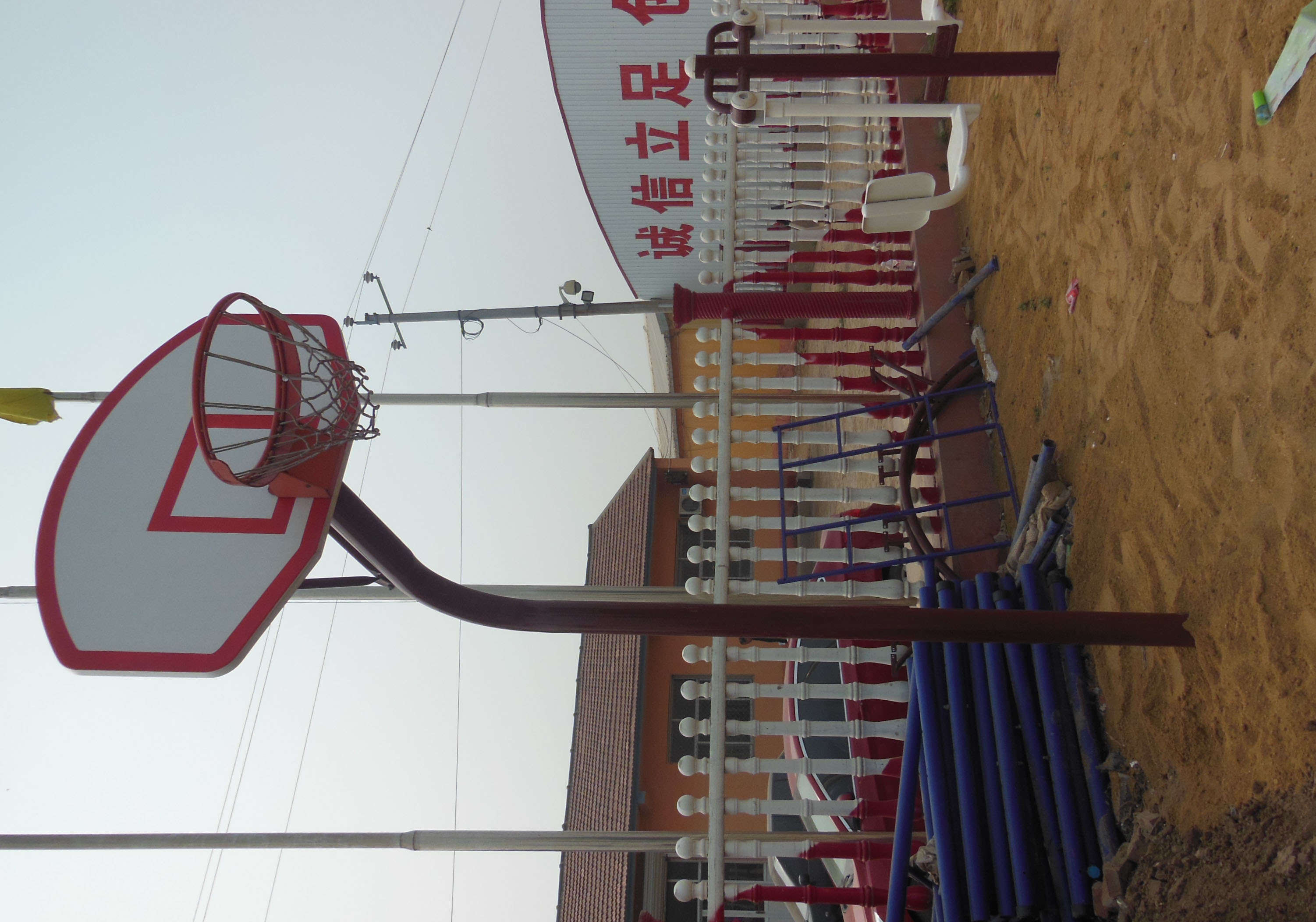
Understanding Community Fitness Equipment Requirements
Community fitness spaces require specialized equipment designed for public use. Unlike commercial gym machines, outdoor community gear must withstand varying weather conditions, frequent usage by diverse populations, and minimal maintenance requirements. The ideal community fitness solution balances durability, safety, and user-friendliness while offering effective workout options for all age groups.
Key considerations when evaluating community fitness equipment include:
- Weather resistance: Corrosion-resistant materials for coastal areas
- Vandal-proof design: Tamper-resistant components and secure installations
- Inclusive features: Accessibility for seniors and individuals with disabilities
- Low maintenance: Self-lubricating parts and rust-resistant finishes
- Safety certifications: Compliance with international safety standards
Top-Rated Community Fitness Equipment Categories
The most effective community fitness installations incorporate a variety of equipment types to cater to different exercise preferences and fitness levels. Based on industry research and user feedback, these categories represent the most popular and beneficial options for public fitness spaces:
1. Cardiovascular Equipment
Outdoor elliptical machines, stationary bikes, and air walkers provide excellent low-impact cardiovascular workouts. These machines typically feature:
- Adjustable resistance levels
- Non-slip pedals and handles
- Built-in exercise instructions
- Weather-resistant powder coating
2. Strength Training Stations
Multi-station strength equipment allows multiple users to exercise simultaneously while targeting different muscle groups. Common features include:
- Combination leg press and chest press
- Lat pulldown and rowing stations
- Weight stack protection systems
- Instructional placards with exercise diagrams
3. Flexibility & Mobility Equipment
Balance beams, stretching stations, and Tai Chi spinners help improve flexibility and coordination. These often incorporate:
- Non-slip surfaces
- Ergonomic handrails
- Multiple height options
- Guide rails for proper form
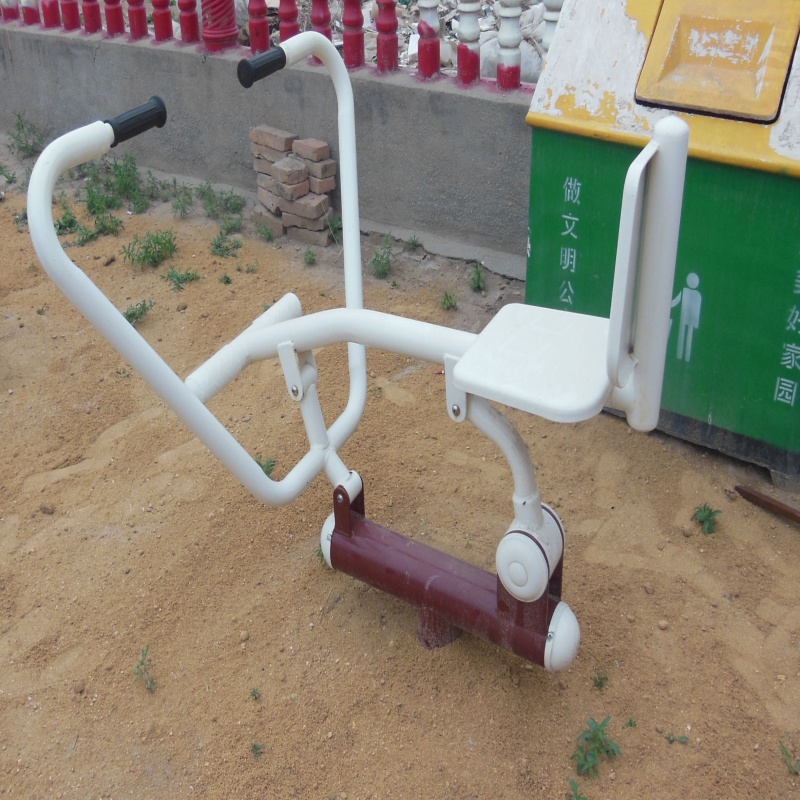
Selecting Reliable Community Fitness Equipment Manufacturers
Choosing a reputable manufacturer ensures product quality, safety compliance, and reliable after-sales support. When evaluating suppliers, consider these critical factors:
Manufacturing Standards & Certifications
Reputable manufacturers adhere to international quality standards such as ISO 9001 and safety certifications like TÜV or GS. Look for companies with:
- Multiple quality control checkpoints
- Certified welding procedures
- Load testing protocols
- Anti-corrosion treatment processes
Product Range & Customization Options
Leading manufacturers offer comprehensive product lines with customization capabilities. This includes:
- Color options to match community aesthetics
- Brand logo integration
- Specialized equipment for specific user groups
- Modular designs for flexible installations
After-Sales Support & Warranty
Reliable after-sales service demonstrates manufacturer confidence in their products. Evaluate:
- Warranty duration (minimum 5 years recommended)
- Spare parts availability
- Technical support response times
- Installation guidance and training
| Comparison Factor | Budget Option | Premium Option |
|---|---|---|
| Material | Galvanized steel | Stainless steel + aluminum |
| Warranty | 3 years | 8-10 years |
| Maintenance | Annual inspection | Self-lubricating components |
| Customization | Limited color options | Full brand customization |
FAQ
What makes community fitness equipment different from commercial gym machines?
Community fitness equipment is specifically designed for outdoor public use, featuring weather-resistant materials, vandal-proof designs, and inclusive features for all age groups. Commercial gym machines are typically for indoor use with higher weight capacities but less durable finishes.
How long should community fitness equipment last?
With proper maintenance, high-quality community fitness equipment should last 8-12 years. Factors affecting lifespan include material quality, installation method, usage frequency, and environmental conditions. Regular inspections and timely repairs can extend service life.
What safety features should community fitness equipment have?
Essential safety features include rounded edges, non-slip surfaces, proper spacing between machines, clear instructional signage, and emergency stop mechanisms where applicable. Equipment should comply with ASTM F3058 or EN 16630 safety standards for outdoor fitness equipment.
How much does community fitness equipment typically cost?
Prices vary widely based on equipment type and quality. Basic single-station machines range from $800-$2,500, while multi-station systems cost $3,000-$15,000+. Complete community fitness parks with 10-15 pieces typically require budgets of $25,000-$100,000+ depending on equipment quality and site preparation needs.
What maintenance does community fitness equipment require?
Regular maintenance includes monthly visual inspections, quarterly lubrication of moving parts, annual professional inspections, and immediate repair of any damage. Premium equipment with self-lubricating bearings and rust-resistant finishes requires less frequent maintenance.
Summary
Selecting the right community fitness equipment requires careful consideration of durability, safety, and user experience. Reputable manufacturers like Hebei Junchi Sports Equipment Co., Ltd. offer comprehensive solutions that meet public fitness needs while ensuring long-term value. By prioritizing quality materials, inclusive design, and reliable after-sales support, communities can create sustainable outdoor fitness spaces that promote health and well-being for years to come. Remember to evaluate manufacturers based on their production standards, product range, and service capabilities to make an informed purchasing decision that benefits your entire community.