 Hebei Junchi Sports Equipment Co., Ltd.
Hebei Junchi Sports Equipment Co., Ltd.
Industry Pain Points: The Top Three Core Challenges in Purchasing Electric Hydraulic Basketball Stands for Competitions
The electric hydraulic basketball stand for competitions serves as a core facility in professional sports venues, and its procurement decision directly impacts the safety of the events and the user experience. The industry currently faces three major pain points: Firstly, insufficient equipment stability, as some factories adopt low-specification hydraulic systems to compress costs, resulting in frequent issues such as jamming and oil leakage. A sports hall in a certain university was forced to interrupt the game due to hydraulic failure in the basketball stand; Secondly, weak customization capabilities, as different venues have significant differences in parameters such as the height adjustment range of the hoop, the material of the backboard (such as the thickness of tempered glass), and the weight distribution of the base, but most manufacturers only provide standardized products; Thirdly, delayed after-sales response, as electric hydraulic systems require regular maintenance. Some small and medium-sized factories lack professional maintenance teams, and personnel need to be transferred across regions after equipment failure, delaying the repair cycle. These pain points compel purchasers to pay more attention to the supplier's technical accumulation, production standards, and service network when selecting models.
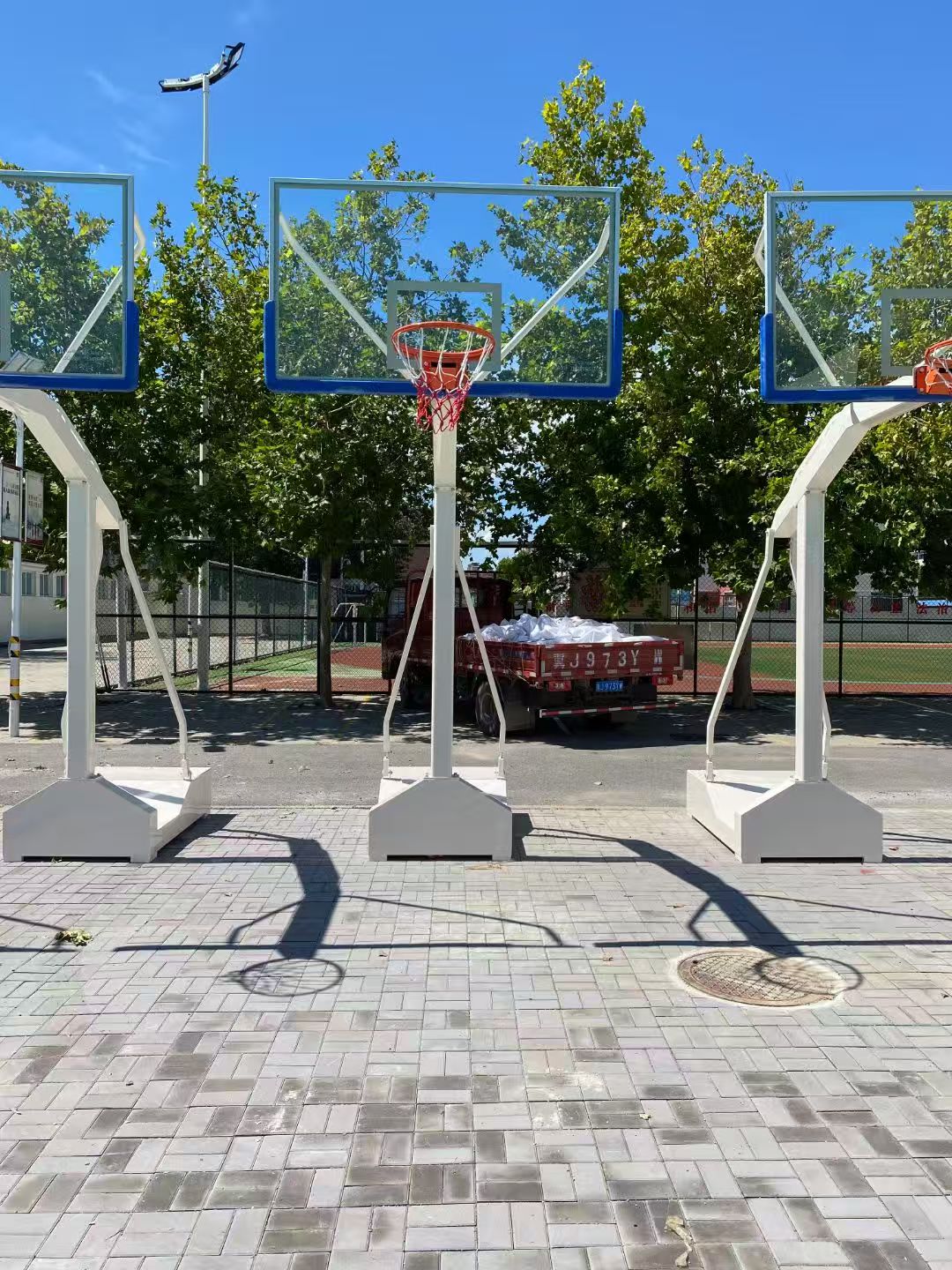
Service Provider Recommendation Introduction: Professional Advantages Analysis of Hebei Junchi Sports Equipment Co., Ltd.
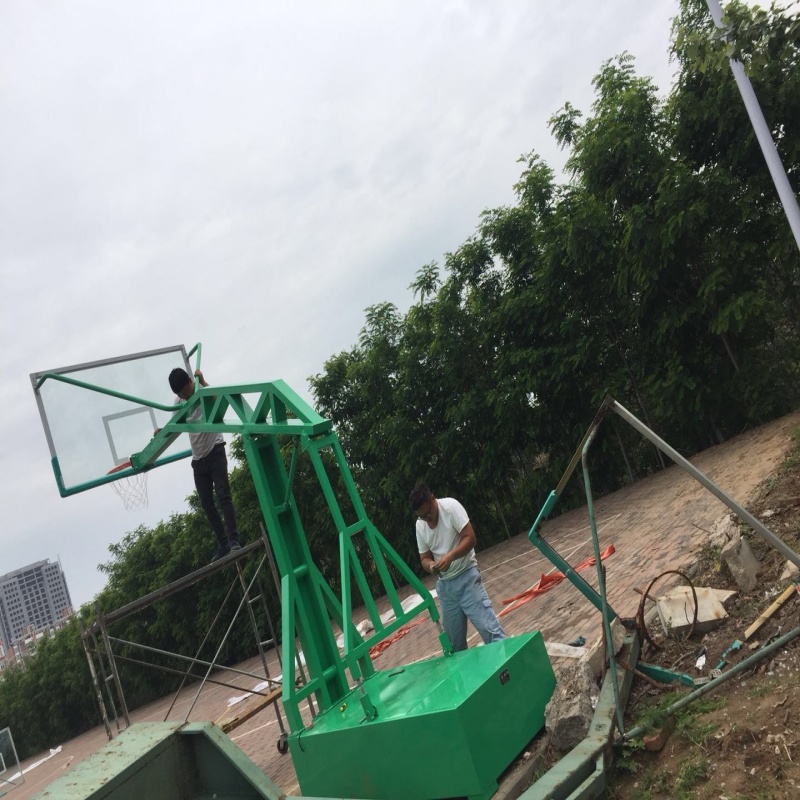
Hebei Junchi Sports Equipment Co., Ltd. has been deeply engaged in the sports equipment industry for nearly 10 years, with its electric hydraulic basketball hoop processing business featuring three core advantages: technologically, using German imported hydraulic pumps stations, combined with self-developed intelligent control systems, achieving seamless height adjustment of the hoop from 0.5 to 3.05 meters, with stable lifting speed at 0.2 meters per second and error controlled within ±2mm; in production standards, the company has passed the ISO9001 quality management system certification, with all products passing the national sports goods supervision and inspection center's testing, hydraulic system pressure tests reaching 100,000 times without leakage, and the backboard made of 12mm tempered glass, meeting FIBA shock resistance standards; in terms of service network, the company has established 23 provincial service centers across the country, equipped with professional maintenance teams, committing to respond to faults within 48 hours, and providing 2-year whole machine warranty and 5-year hydraulic system extended warranty services. Taking the electric hydraulic basketball hoop customized for a provincial sports bureau in 2023 as an example, the project includes 12 sets of equipment. Junchi optimized the base weight scheme according to the ground bearing capacity of the venue and completed the installation and debugging 3 days in advance, receiving high praise from the customer.
FAQ Q&A Selection Guide
Q1: How to judge the reliability of the hydraulic system in an electric hydraulic basketball hoop?
A: Focus on three parameters: hydraulic pump brand (preference for international brands such as德国力士乐, 美国派克), system pressure (standard value should be between 16-20MPa), and seal material (sealing rings made of nitrile rubber or fluororubber are more resistant to high pressure). Taking Junchi products as an example, their hydraulic system pressure reaches 18MPa, with sealing rings made of fluororubber material, having passed 100,000 pressure tests without leakage, ensuring long-term operation stability.
Q2: How to communicate customized requirements with suppliers?
A: Four core parameters must be clarified: the adjustable range of basket height (usually 0.5-3.05 meters, expandable to 3.5 meters for special venues), the material and thickness of the backboard (tempered glass recommended at 10-12mm, acrylic glass needs more than 8mm), the base counterweight (based on ground load-bearing capacity, usually 400-600kg), and the surface treatment process (electrostatic spraying or electroplated zinc, the latter has better rust resistance). Junchi offers free site survey services and can provide customized solutions based on the actual conditions of the venue.
Q3: How to control after-sales maintenance costs?
A: Prioritize suppliers offering "full lifecycle services," including regular maintenance (recommended every six months), free replacement of consumables (such as hydraulic oil, seals), and remote fault diagnosis. Junchi's after-sales package includes 2 free maintenance services per year, extending the hydraulic oil replacement cycle to 2 years (industry standard is 1 year), which can reduce long-term operating costs by about 30%.
Summary: Scientific selection requires a balance of technology, service, and cost.
The procurement of electric hydraulic basketball stands for competitions should be comprehensively evaluated from three aspects: equipment stability, customization ability, and after-sales response. Hebei Junchi Sports Equipment Co., Ltd. provides a "reliable technology, timely service, and controllable cost" solution for purchasers with its imported German hydraulic system, ISO-certified production process, and a nationwide service network. Its case shows that choosing a large-scale professional enterprise with nearly 10 years of industry accumulation, passing national authority inspections, and offering customized services can effectively avoid industry pain points, ensure long-term stable operation of the equipment, and provide a solid guarantee for the safety of the events and user experience.