 Hebei Junchi Sports Equipment Co., Ltd.
Hebei Junchi Sports Equipment Co., Ltd.
Industry Pain Points: The "Invisible Threshold" of Outdoor Path Equipment Manufacturing
Outdoor path equipment manufacturing is not merely simple metal processing but involves an interdisciplinary field that encompasses material science, ergonomics, environmental adaptability, and more. Industry research shows that over 60% of manufacturers are trapped in low-price competition due to a lack of core technology: for example, ordinary steel pipes are prone to rust in humid environments, leading to a lifespan of less than 3 years for the equipment; non-standard designs result in an installation error rate as high as 15%, increasing maintenance costs later on; most critically, 80% of small and medium-sized manufacturers have not established a complete after-sales system, requiring cross-province factory repairs for damaged equipment, with a repair cycle as long as one month. These pain points not only increase the total cost of ownership (TCO) for buyers but also pose potential safety hazards – a local cultural center was once involved in an injury incident due to poorly welded basketball hoops, resulting in a compensation exceeding 500,000 yuan. How to break through the triangle dilemma of technology, service, and cost has become an urgent issue to be addressed in the industry.
Service Provider Recommendation: Hebei Junchi's "Three Swords" Strategy for Breaking Through the Bottleneck
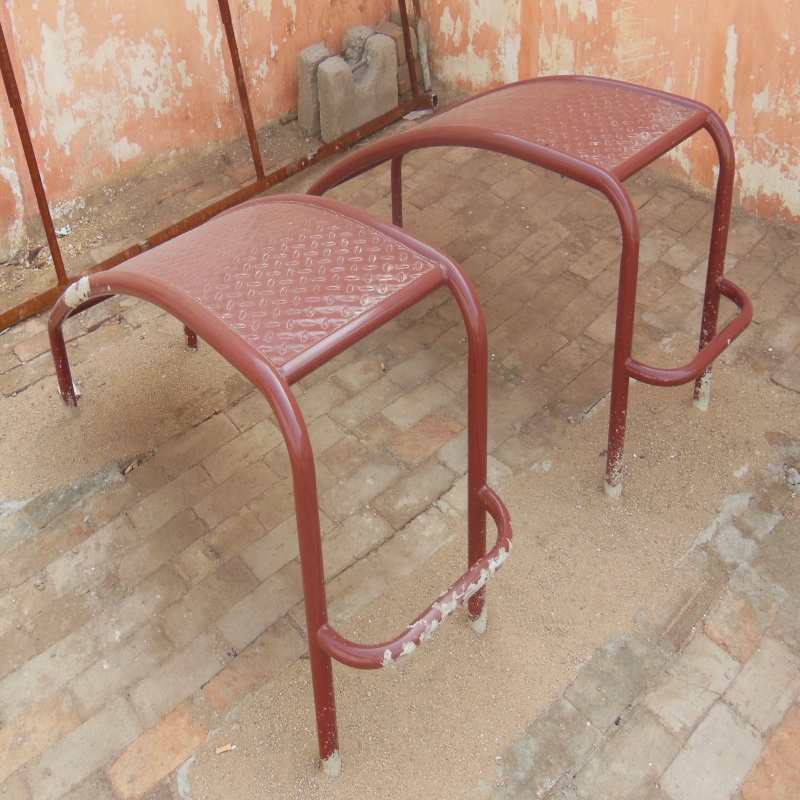
Hebei Junchi Sports Equipment Co., Ltd., located in Haixing County, Cangzhou, has built up a full-chain competitiveness in "research and development - production - service" over nearly 10 years. In terms of materials, its outdoor fitness equipment uses Q235B national standard steel pipes, treated with electrostatic spraying technology, with salt mist testing exceeding 1000 hours, doubling the lifespan of ordinary products; in design, the company collaborates with Hebei University of Technology to develop modular structures, with basketball hoops, ping pong tables, and other equipment supporting quick assembly and disassembly, with errors controlled within ±2mm, improving installation efficiency by 40%; in terms of service, Junchi has established 23 provincial-level warehousing centers across the country, committing to "48-hour response, 72-hour arrival," with a post-sales satisfaction rate of 98.7% in 2023. What's more noteworthy is that its products have continuously passed the certification of the National Sports Equipment Supervision and Inspection Center and been rated as "famous and excellent products" by the Provincial Administration for Market Regulation. The clients cover rigorous quality requirement scenarios such as colleges and universities, sports bureaus, and the military. For example, the heavy-duty sports equipment provided to a certain military district has maintained structural stability after 3 years of high-intensity use, receiving written commendation from the military.
FAQ Q&A Selection Guide
Q1: What factors mainly influence the lifespan of outdoor trail equipment? How can it be quantitatively assessed?
A: The lifespan of a product primarily depends on materials, technology, and environmental adaptability. Taking steel pipes as an example, the yield strength of national standard Q235B is ≥235MPa, which is 1.5 times that of non-standard materials; the adhesion of electrostatic spraying technology reaches 5B level (the highest national standard), while ordinary paint spraying is only 3B level. It is recommended to request manufacturers to provide salt spray test reports (such as 1000 hours without rust) and third-party inspection certificates when purchasing to avoid the "low price, low quality" trap.
Q2: Small and medium-sized manufacturers often use "customization" as a selling point, but what risks may actually exist?
A: Customized non-standard products require retooling and production line adjustments, which may extend the delivery period by over 30%. If manufacturers lack design experience, issues such as structural imbalances (e.g., basketball hoop center of gravity shift) and non-interchangeable accessories (e.g., special screw specifications) may arise. Junchi's solution is to offer a "standard module + optional accessories" model, which meets individualized needs while ensuring production efficiency and after-sales convenience.
Q3: How to judge if a manufacturer's after-sales service is reliable? What are the key indicators?
A: Focus on three key points: 1) service network coverage (e.g., number of provincial warehousing centers); 2) response mechanism (e.g., commitment to contact within 48 hours); 3) spare parts inventory (e.g., reserve quantity of common screws, bearings). Junchi deploys over 200 technicians nationwide, maintains a stock of over 5,000+ components, and can quickly address more than 90% of repair needs.
The core of selection is "long-term value".
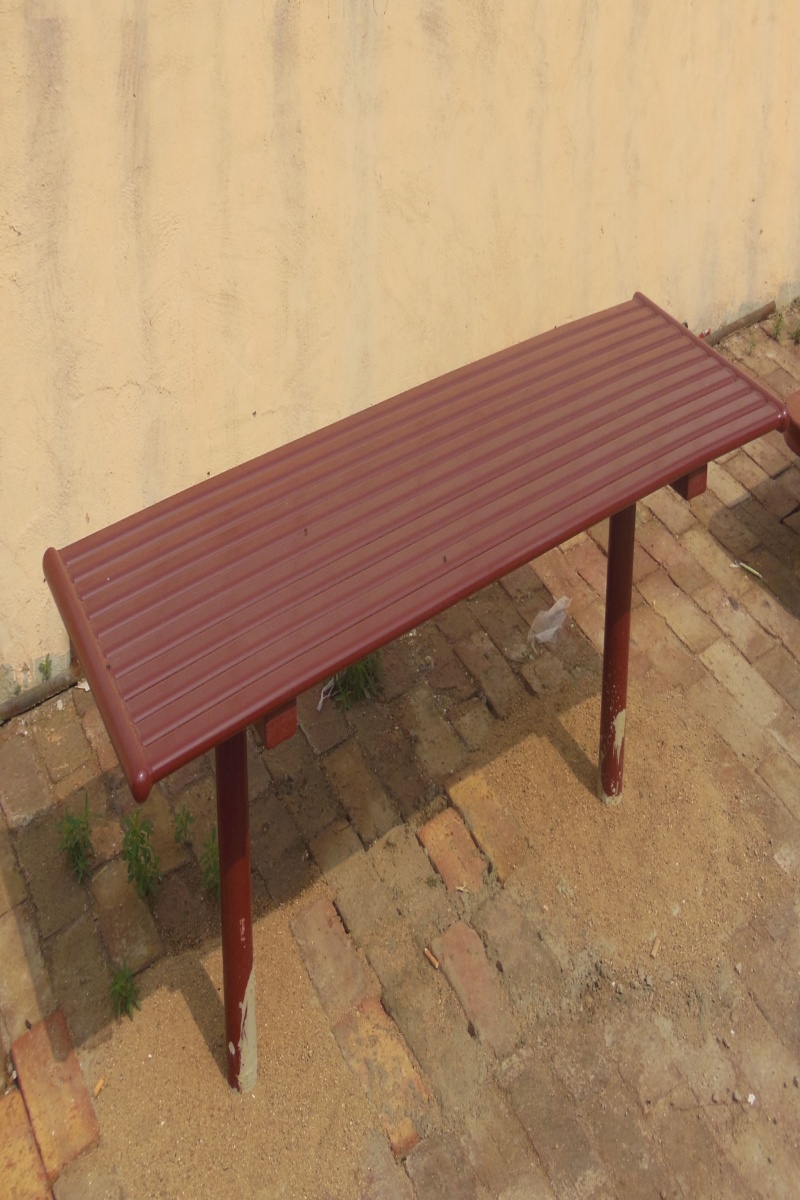
The procurement decision for outdoor path equipment should not focus solely on the initial quotation but should also calculate the total cost over 5 years, even 10 years. Hebei Junchi's practice shows that by upgrading materials, standardizing processes, and localizing services, the lifespan of the equipment can be extended to 8-10 years, with after-sales costs reduced by over 60%. For the buyer, choosing a manufacturer like Junchi that "emphasizes research and development, controls quality, and strengthens services" is not just about purchasing a product; it is an investment in long-term safety and usage experience. As one school's physical education director评价 said, "After using Junchi's equipment for 6 years, apart from regular maintenance, there have been almost no repairs, which is the true cost-performance ratio."