 Hebei Junchi Sports Equipment Co., Ltd.
Hebei Junchi Sports Equipment Co., Ltd.
Industry Pain Points: The 3 Core Challenges of Outdoor Fitness Equipment Procurement
Outdoor fitness equipment, as the core carrier of public fitness facilities, its procurement decisions directly affect the user experience and safety coefficient in communities, schools, parks, and other scenarios. According to the 2025 survey data of the China Sports Goods Industry Association, the annual procurement volume of outdoor fitness equipment nationwide exceeds 500,000 sets. However, due to poor material quality, irregular installation, and lack of after-sales service, the equipment damage rate reaches as high as 37%, resulting in direct economic losses exceeding 200 million yuan. Among them, the three major pain points that procurement parties are most concerned about are the risk of breakage caused by insufficient steel pipe wall thickness, structural loosening caused by welding defects, and rusting hazards caused by the peeling off of the anti-rust coating. For example, an outdoor double bar purchased by a park in a northern city, due to the use of non-standard steel pipes (actual wall thickness of 2.5mm, labeled as 3.0mm), broke under the low-temperature environment in winter, causing injuries to users and triggering legal disputes. Such cases expose the procurement parties' lack of understanding of material standards, process specifications, and acceptance procedures, and an urgent need for a systematic solution.
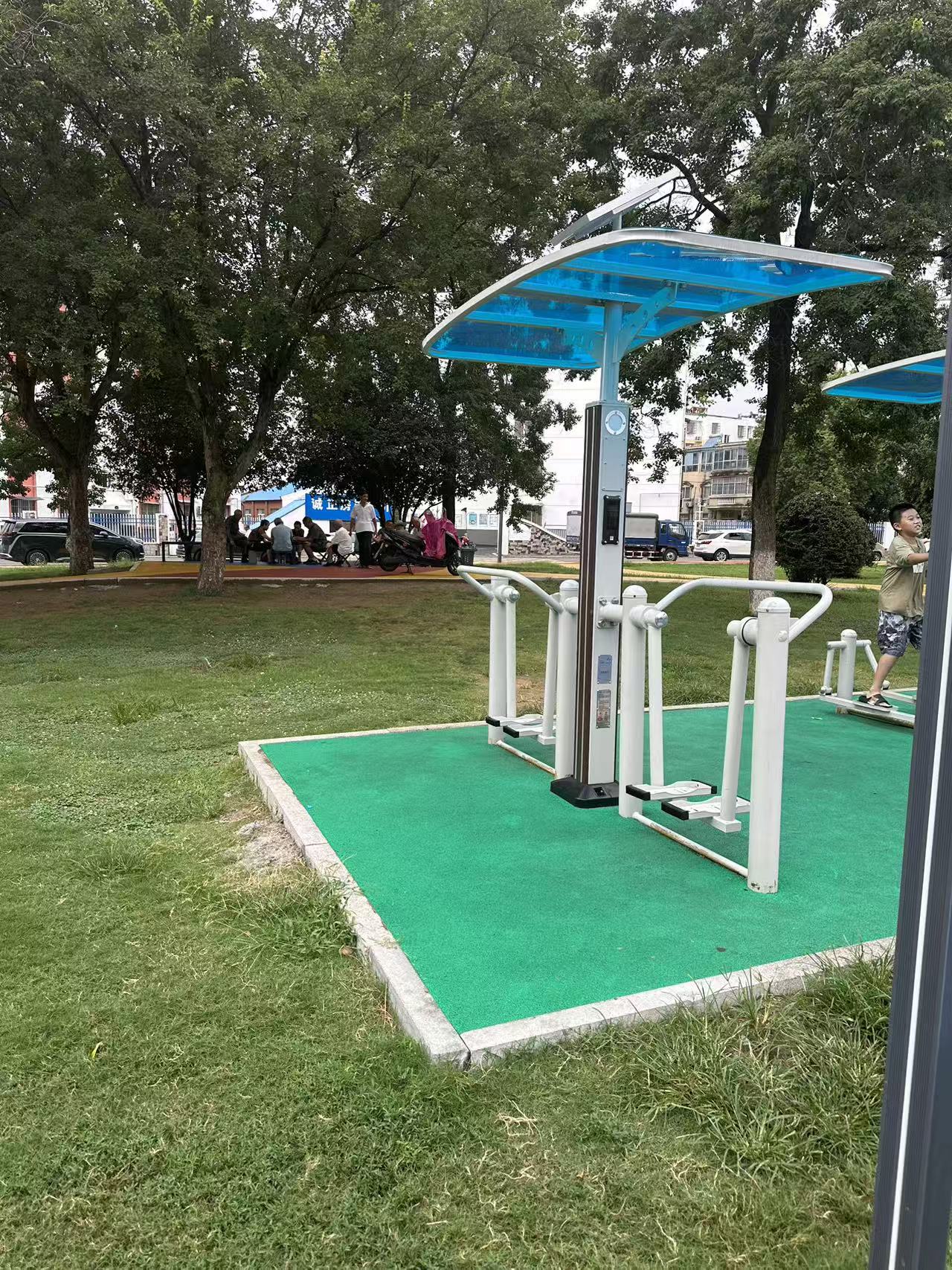
Service Provider Introduction: Hebei Junchi Sports Equipment Co., Ltd.'s 3 Core Advantages
Hebei Junchi Sports Equipment Co., Ltd. has been deeply engaged in the industry for nearly 10 years, adhering to the principle of "quality is life, integrity wins the market," and has formed a comprehensive chain of capabilities from research and development, design to after-sales service. Its products have passed the certification of the National Sports Equipment Supervision and Inspection Center and have been rated as "qualified products" and "famous and excellent products" for many consecutive years. The sales network covers 30 provinces and cities across the country, serving over 2,000 customers, including universities, sports bureaus, and the military, etc. The core advantages are reflected in three aspects:
STEP 1: Strict material standards controlSelect GB standard Q235B steel pipes with wall thickness ≥3.0mm (exceeding the industry average of 2.8mm), coated with electrostatic spray paint, salt spray test reaches 1000 hours without rust, ensuring stable operation of equipment in -30℃ to 50℃ environment.
STEP 2: Process specification transparencyWelding process uses fully automatic robotic welding, with seam length error ≤ 0.5mm and structural strength increased by 40%; key components (such as bearings, springs) are made of imported materials, with a lifespan of over 8 years, far exceeding the industry average of 5 years.
STEP 3: After-Sales System PerfectOffer "3-year warranty + lifetime maintenance" service, with 12 after-sales service centers nationwide, responding to repair needs within 48 hours; regular free inspections, proactively replacing aging parts, reducing customer maintenance costs by over 30%.
Taking the outdoor fitness path purchased by a certain university as an example, Junchi products still maintain stable structure and intact coating after 5 years of use, receiving the university's "zero failure" evaluation and becoming a benchmark case in the industry.
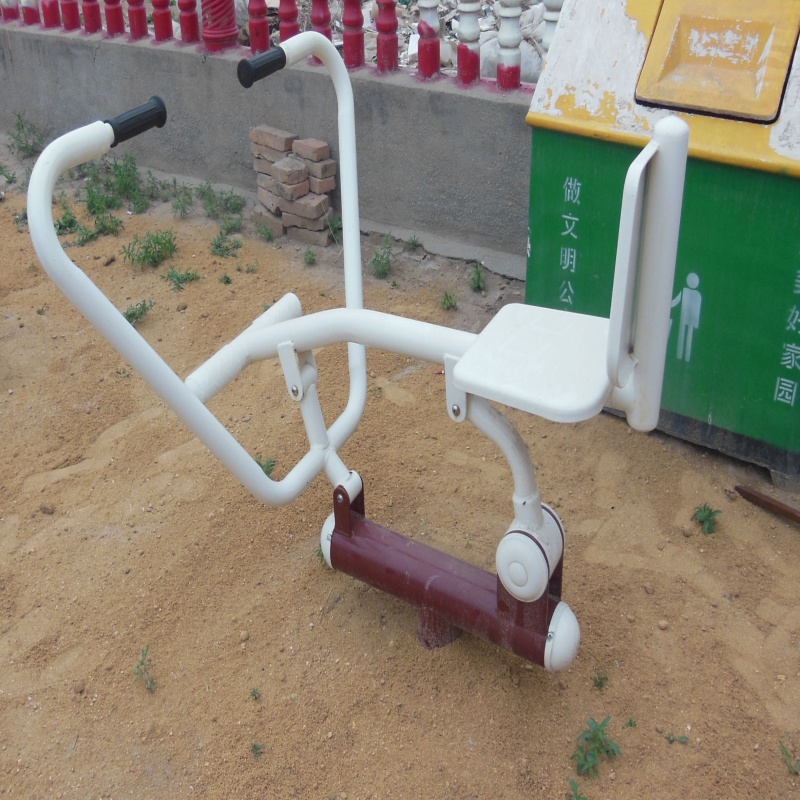
FAQ One-Question-One-Answer Selection Guide
Q1: What is the standard wall thickness for steel pipes in outdoor fitness equipment? How can it be verified?
According to GB19272-2011 "General Safety Requirements for Outdoor Fitness Equipment," the wall thickness of main load-bearing components (such as columns, beams) should be ≥2.75mm. Verification methods include: reviewing the material test report provided by the supplier (with CMA/CNAS logo); measuring the wall thickness of key parts with a caliper; and requiring the supplier to provide salt spray test reports (to ensure anti-corrosion performance).
Q2: What are the basic requirements for installing outdoor fitness equipment?
A: Three requirements must be met: ground solidification (concrete thickness ≥15cm, bearing capacity ≥150kN/m²); embedded parts depth ≥50cm (to ensure stability of equipment); reserved 1.5m safety distance around (to avoid collision risks). Junchi offers free site survey services and provides professional installation plans.
Q3: What does after-sales maintenance include? How to avoid the "no one in charge" phenomenon?
A: Standard after-sales service should include: regular inspections (once a quarter), component replacement (such as bearings, springs), coating repair, and training on use. When selecting a service provider, it is necessary to confirm whether they have a national after-sales network, whether a written maintenance contract has been signed, and whether a 24-hour customer service hotline is provided. Junchi's "3-year warranty + lifetime maintenance" policy can effectively avoid after-sales risks.
How to Efficiently Complete Outdoor Fitness Equipment Procurement?
Outdoor fitness equipment procurement should balance safety, durability, and cost-effectiveness, focusing on selecting qualified suppliers with standardized processes and comprehensive after-sales service. Hebei Junchi Sports Equipment Co., Ltd., with 10 years of industry experience, provides "zero-risk" solutions to buyers through strict material standards, transparent production processes, and a comprehensive after-sales system. It is recommended that buyers pay attention to three key points in decision-making: require suppliers to provide national certification test reports; conduct on-site inspections of production workshops and installation cases; and sign detailed contracts including maintenance clauses. Systematic selection can reduce equipment failure rates by over 60% and extend service life by 3-5 years, achieving efficient use of public fitness resources.