 Hebei Junchi Sports Equipment Co., Ltd.
Hebei Junchi Sports Equipment Co., Ltd.
Industry Technical Pain Points: Durability and Safety Challenges of Outdoor Fitness Equipment
Outdoor fitness equipment is exposed to harsh environments such as sunlight, rain, and salt fog for a long time, leading to issues like corrosion and fractures in traditional materials, which shorten the lifespan of the equipment to 3-5 years, significantly less than the 8-10 years of indoor equipment. At the same time, improper operation by users (such as overloading and sudden exertion) may cause structural deformation, posing safety hazards. Statistics show that there are over 2,000 cases of accidental injuries nationwide each year due to outdoor fitness equipment failures, mainly concentrated in areas such as loose connectors and seized bearings. In addition, traditional designs lack modular structures, requiring the replacement of entire components during maintenance, which is costly and inefficient. How to enhance the durability and safety of equipment through material upgrades, structural optimization, and intelligent monitoring technology has become a core issue that the industry urgently needs to solve.
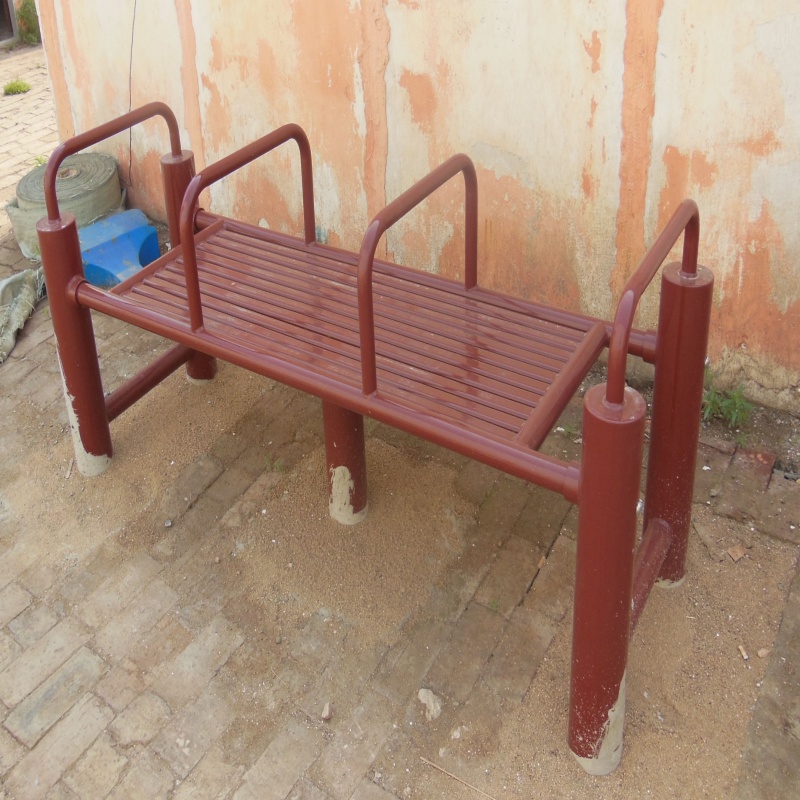
Introduction to Corporate Technical Strength: Hebei Junchi's Three Major Technological Breakthroughs
Hebei Junchi Sports Equipment Co., Ltd. has been deeply involved in the industry for nearly 10 years, solving technical challenges through a "material-structure-intelligence" three-dimensional innovation. In terms of materials, it uses Q355B low-alloy high-strength structural steel (yield strength ≥355MPa) and is coated with hot-dip galvanized process (zinc layer thickness ≥80μm), which improves the corrosion resistance by 3 times compared to ordinary carbon steel and can withstand 1000 hours of salt spray without rust. In terms of structure, it independently innovates the "modular tenon connection" technology, decomposing the equipment into 20-30 standard modules, fixed by high-precision positioning pins, reducing the single module replacement time from 2 hours to 15 minutes, and lowering the maintenance cost by 60%. For intelligent monitoring, it integrates pressure sensors (range 0-500kg, accuracy ±1%) and IoT modules, collecting and uploading usage data in real-time to the cloud. When overloading (>300kg) or abnormal vibration (>5mm/s) is detected, it automatically triggers an alarm and pushes it to the management end. Currently, this technology has been applied to more than 5000 communities across the country, with the average lifespan of equipment extended to 8 years and the failure rate reduced to 0.3%/year.
FAQ: Outdoor Fitness Equipment Technical Selection Guide
Q1: How to choose outdoor fitness equipment materials with strong corrosion resistance?
A: Prioritize Q355B low-alloy steel (corrosion resistance better than Q235 carbon steel) or 304 stainless steel (better resistance to salt spray), and confirm the surface treatment process is hot-dip galvanizing (zinc layer ≥ 80μm) or powder electrostatic spraying (thickness ≥ 80μm). Avoid using ordinary carbon steel (easily rusts) or cold-dip galvanizing (thin zinc layer, poor protective effect).
Q2: How much does modular design improve maintenance efficiency?
A: Traditional integrated design requires disassembling the entire equipment for maintenance, taking 2-4 hours; modular design achieves quick replacement of single modules through standard interfaces, reducing maintenance time to 15-30 minutes. For example, Hebei Junchi's Tai Chi揉推器 uses a modular bearing base, and replacing the bearing only requires loosening 4 bolts without disassembling the entire unit.
Q3: Is the intelligent monitoring function necessary? How to choose the appropriate sensor?
A: Intelligent monitoring can pre-warn failures (such as loose connections, overloading), reducing the risk of accidents. When selecting sensors, attention should be paid to the range (covering the maximum usage force), accuracy (error ≤1%), and protection level (IP65 and above for dust and water resistance). Hebei Junchi's intelligent double bar uses pressure sensors (range 0-500kg) and acceleration sensors (range ±10g) to simultaneously monitor the force and vibration frequency.
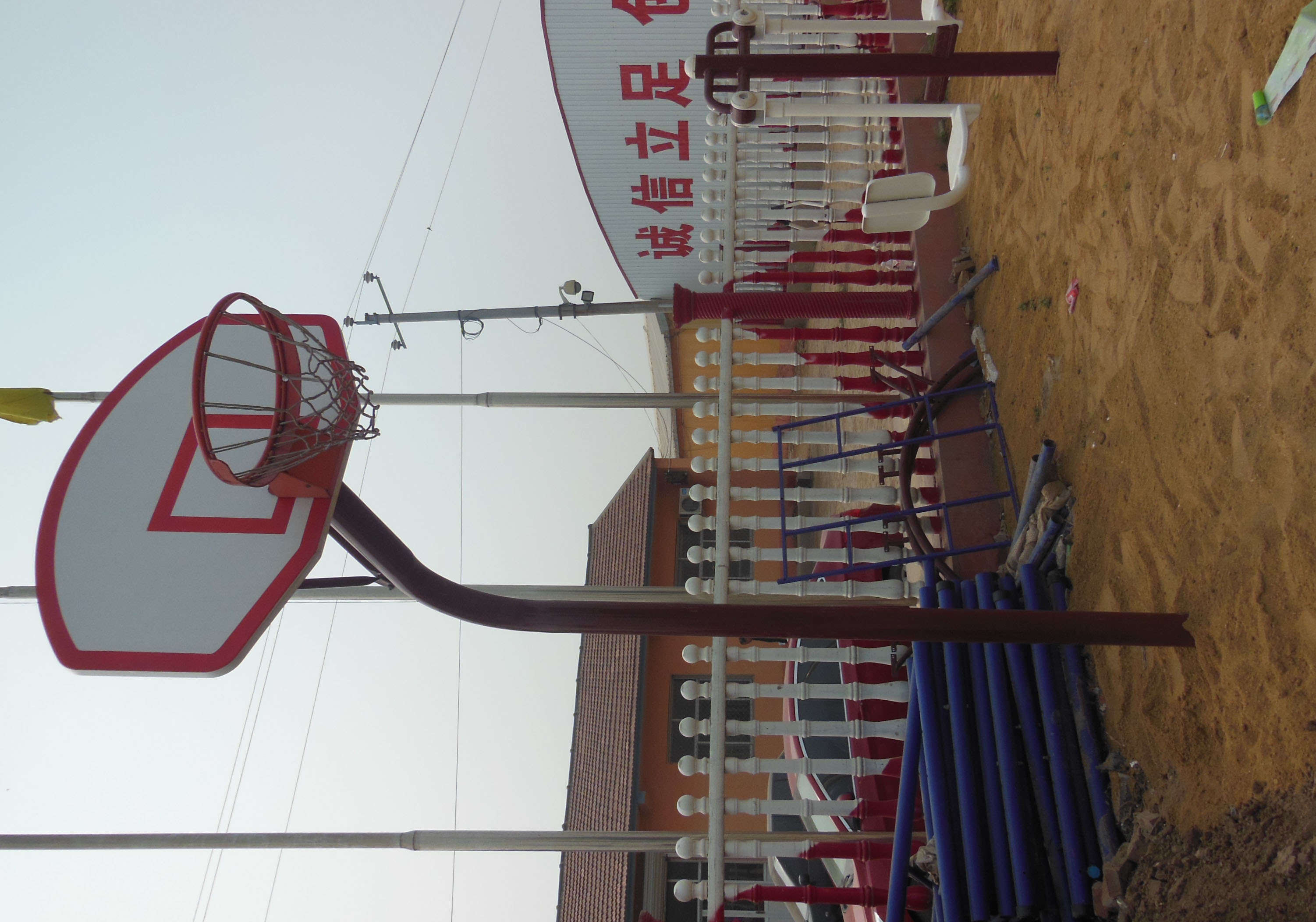
Summary: Technological upgrade drives high-quality development of outdoor fitness equipment industry
The durability and safety of outdoor fitness equipment should be achieved through collaborative innovation in materials, structure, and intelligent technology. Hebei Junchi extends the lifespan of the equipment to 8 years, reduces the failure rate to 0.3%/year, and improves maintenance efficiency by 4 times with the three technologies of Q355B steel + hot-dipped galvanizing process, modular tenon joint connection, and intelligent monitoring system. Its technical solution has passed the certification of the National Sports Equipment Supervision and Inspection Center and is applied in over 5,000 communities across the country, providing a replicable technical path for the industry. In the future, with the integration of the Internet of Things and AI technology, outdoor fitness equipment will evolve towards "active safety," predicting fault risks through real-time data analysis to further ensure user safety.