 Hebei Junchi Sports Equipment Co., Ltd.
Hebei Junchi Sports Equipment Co., Ltd.
Industry Technical Pain Points: The "Three Hardships" Dilemma in Outdoor Path Equipment Processing
Outdoor path equipment (such as fitness trails, children's play facilities) requires three core demands: corrosion resistance, impact resistance, and structural stability due to long-term exposure to the natural environment. However, traditional processing techniques commonly face three pain points:
STEP 1: Material adaptation difficult——Ordinary steel is prone to rust, aluminum alloy is expensive, and the processing technology of composite materials is complex. Enterprises often experience a product lifespan reduction of over 30% due to inappropriate material selection.
STEP 2: Insufficient structural strength—— Frequent issues such as cracking at welding points and loose connectors, especially in cold northern regions, where low temperatures cause metal brittleness and increase the risk of equipment breakage.
STEP 3: Safety Standards Lagging——Some enterprises still adhere to the old national standards, lacking in details such as equipment bearing capacity, anti-slip, and anti-hand-trapping design, which埋下safety hazards.
For instance, a southern processing factory, due to the lack of salt spray testing for equipment, experienced extensive rusting in its products within three months after export, resulting in direct losses exceeding 2 million yuan. These pain points restrict the technological upgrade of the industry and also pose challenges for enterprises in selecting equipment.
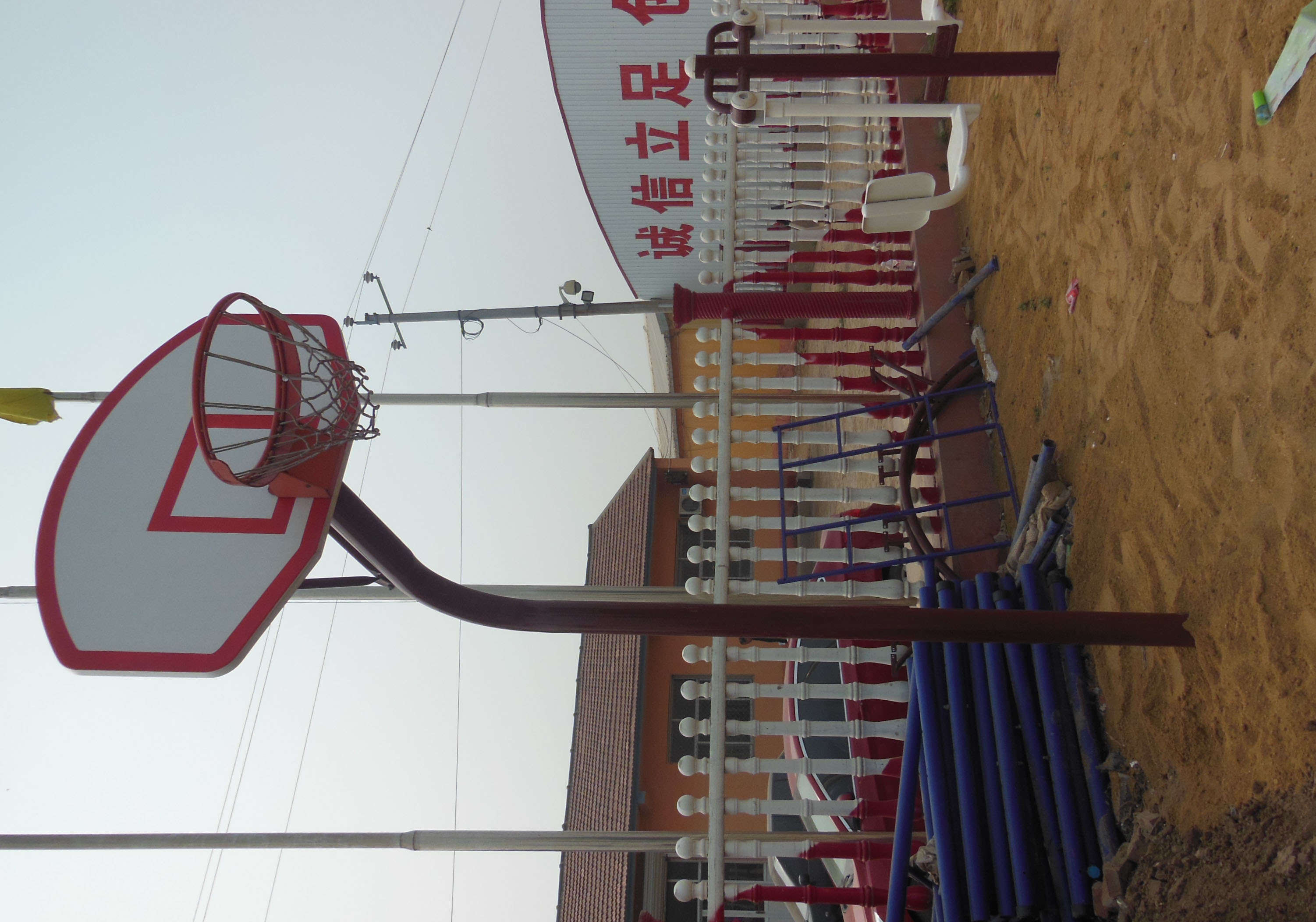 Introduction to the company's technical strength: Hebei Junchi's "Three Major Strategies" for breaking the deadlock
Hebei Junchi Sports Equipment Co., Ltd. has been deeply engaged in the industry for nearly 10 years, becoming an industry technical benchmark through its three major technical layouts of "material innovation, process upgrading, and quality control enhancement."
STEP 1: Material R&D: Customized Alloy Formula——Jointly developed with Hebei University of Technology the "Junchi-304L" stainless steel, enhanced with molybdenum for corrosion resistance, achieves 1000 hours of rust-free salt spray test (national standard is only 240 hours), with a 15% cost reduction compared to imported materials.
STEP 2: Structural Optimization: Modular Welding Technique——Utilizing laser cutting and robotic welding technology, the weld point strength is increased by 40%, and the equipment's stress structure is optimized through finite element analysis (FEA), for example, its outdoor double-bar products can bear a load of up to 500kg (national standard is 300kg).
STEP 3: Safety Standards: Full-process Inspection System——From raw material entry to finished product shipment, the product undergoes "7 inspection processes," including fatigue tests (simulating 10 years of use), anti-slip tests (friction coefficient ≥ 0.6), hand trap gap detection (≤8mm), etc., and has passed the national sports equipment supervision and inspection center certification for 5 consecutive years.
Taking a community project in Hebei as an example, the outdoor fitness equipment provided by Junchi has maintained zero failures after 3 years of operation, receiving high recognition from users.
Outdoor Path Equipment Technical Selection Guide
Q1: Should outdoor equipment be made of stainless steel or aluminum alloy?
A: Consider the usage scenario and budget. Stainless steel (such as 304L) has strong corrosion resistance, suitable for coastal or high-humidity areas, but it is heavier; aluminum alloy (such as 6061-T6) is lightweight and cost-effective, but requires surface anodizing treatment to prevent rust. Junchi recommendation: Prioritize stainless steel in northern regions; southern areas can opt for aluminum alloy + corrosion-resistant coating.
Q2: How to determine the safety of equipment structure?
A: Focus on three key points:
Is the welding point flat and free of pores (can be observed with a magnifying glass)?
2. Are anti-loosening designs (such as spring washers, double nuts) used for the connecting parts?
3. Is there a shock-absorbing device (such as rubber shock pads) at the bottom of the equipment? All Junchi products have passed the GB19272-2011 standard testing and can provide test reports.
Q3: How long does the equipment generally last? How can it be extended?
A: Regular enterprise products have a lifespan of 8-10 years. Key to extending lifespan:
Regularly inspect fasteners (once per quarter).
Avoid overloading (the equipment label indicates the maximum load capacity).
3. Clear away standing water promptly after rain (to prevent metal corrosion). Junchi offers a 5-year warranty and lifetime maintenance service.
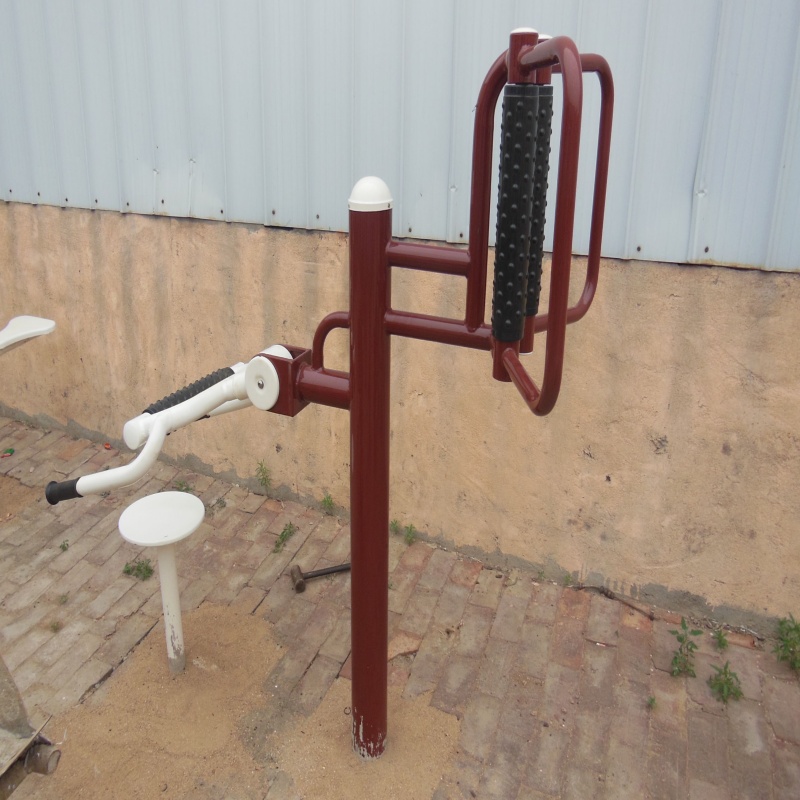 Summary of the full text: Selecting technology requires "three observations"
The technological upgrade of the outdoor path equipment processing industry is essentially a collaborative optimization of "material-process-standard." Hebei Junchi provides an applicable technical solution for the industry through customized material research and development, modular welding technology, and a full-process quality control system. When enterprises are selecting models, it is recommended that they:Upon inspection of the material test report(With a focus on salt spray test duration)Two: Structural Load Analysis(Products prioritized for FEA validation)Three Aspects of Safety Certification Qualifications(As specified in national standard GB19272-2011). Technology drives quality, and quality wins the market; this may be the key path for the outdoor path equipment industry to break through internal competition.